
Dental Insurance: Coverage, Costs, Plans & How to Choose the Right Policy
Dental insurance can help reduce the cost of preventive care, basic procedures, and major dental work depending on your policy structure. The best dental insurance plan depends on provider network, waiting periods, annual maximums, premiums, deductibles, and whether you need individual, family, or senior coverage.
Coach B. Insurance helps individuals, families, seniors, and self-employed workers compare dental insurance options with less confusion and more practical guidance.
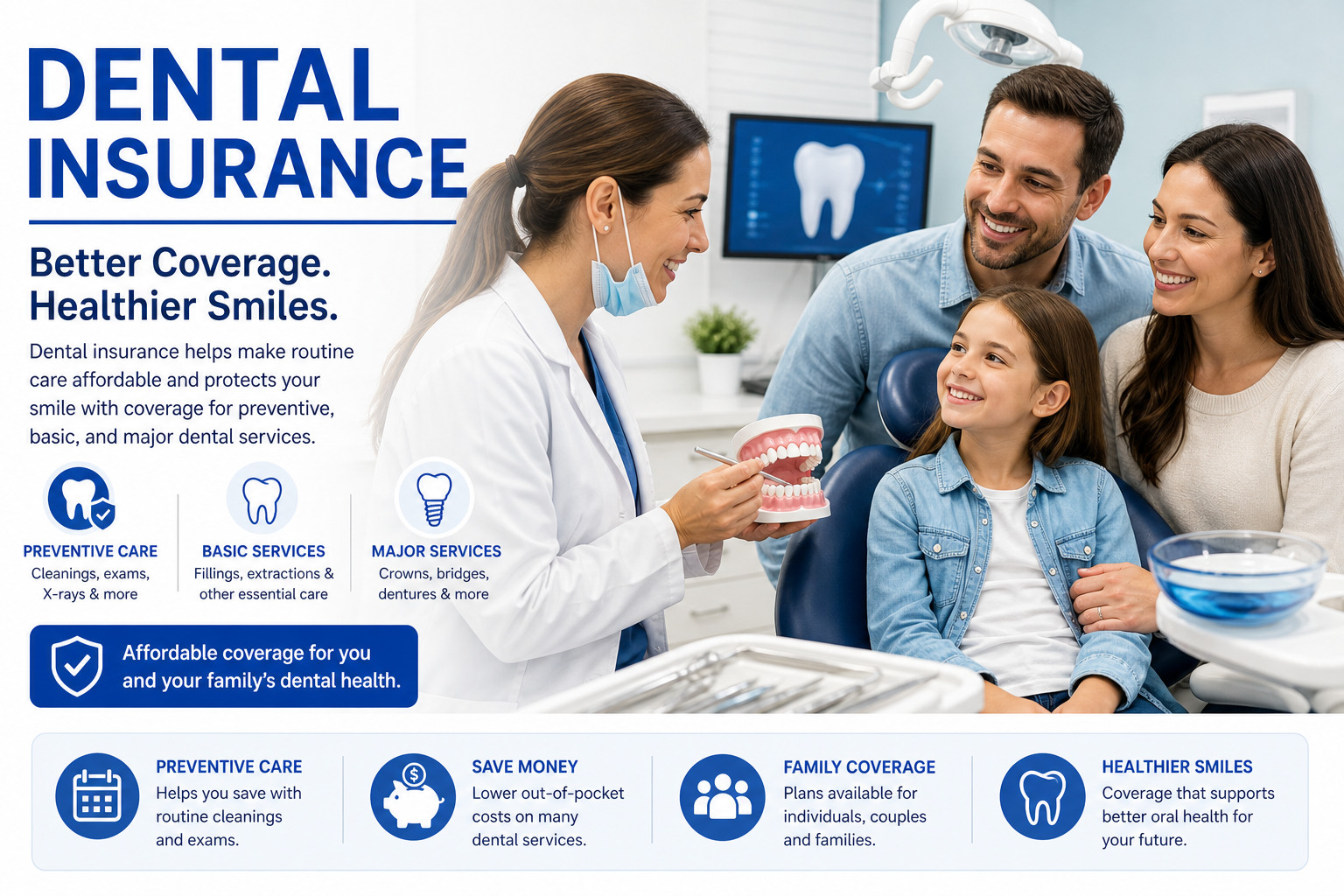
- Dental insurance often helps with preventive care like cleanings and exams.
- Basic services may include fillings or extractions depending on policy terms.
- Major services may include crowns, bridges, dentures, or root canals depending on coverage levels.
- Waiting periods, annual maximums, deductibles, and provider networks matter.
- PPO, HMO, indemnity, and discount plans work differently.

Scott Benton | Coach B. Insurance
Author: Scott Benton, Licensed Insurance Agent
Experience: Serving families since 1992
Phone: (800) 342-1537
Office: 10229 Hamlet Court, Union, KY 41091
Disclosure: Coach B. Insurance may be compensated if you purchase through our agency or referral partners. Dental coverage availability, provider networks, annual maximums, waiting periods, exclusions, and plan structure vary by carrier and state.
What Is Dental Insurance?
Dental insurance is a type of health-related coverage designed to help reduce the cost of dental care. Policies may help pay for preventive services, basic procedures, and sometimes major dental work depending on the plan.
Dental insurance may be purchased individually, through a family plan, through an employer, or as part of broader ancillary benefits.
Preventive Care
Often includes cleanings, exams, X-rays, and preventive maintenance.
Basic Care
May include fillings, simple extractions, or gum treatment depending on plan details.
Major Care
May include crowns, bridges, dentures, implants, or root canals depending on policy structure.
Common Types of Dental Insurance Plans
| Plan Type | How It Works | Best For | Potential Limits |
|---|---|---|---|
| PPO Dental Plan | Usually offers flexibility with in-network and some out-of-network options. | Families and people wanting provider choice. | Premiums may be higher. |
| HMO / DHMO | Usually requires network dentists and referrals depending on structure. | Budget-focused buyers. | Less provider flexibility. |
| Indemnity Plan | May reimburse covered expenses with broader provider freedom. | People prioritizing flexibility. | Often higher out-of-pocket cost. |
| Discount Dental Plan | Provides negotiated discounts rather than traditional insurance benefits. | People focused on lower upfront costs. | Not traditional insurance. |
What Does Dental Insurance Usually Cover?
Exams & Cleanings
Often preventive and commonly covered at stronger benefit levels.
Fillings
Basic restorative care may be partially covered depending on plan.
Crowns / Root Canals
Major services may have lower coverage percentages or waiting periods.
Dentures / Bridges
May fall under major services with annual maximum considerations.
Important Dental Insurance Terms
- Premium: Monthly plan cost.
- Deductible: Amount you pay before some benefits begin.
- Annual Maximum: Maximum yearly payout limit in many plans.
- Waiting Period: Time before certain services are covered.
- Network: Dentists participating in plan pricing.
- Coinsurance: Percentage of costs shared.
- Preventive vs Major: Different categories often have different benefit levels.
- Missing Tooth Clause: Some plans may limit pre-existing tooth replacement.
How to Choose the Best Dental Insurance
1. Check Your Dentist
Make sure your preferred providers are in-network if that matters to you.
2. Review Major Work Needs
If you expect crowns, dentures, or root canals, annual maximums and waiting periods matter.
3. Compare Real Value
Premium alone does not determine value — coverage limits and exclusions matter too.
Best Dental Insurance For:
Individuals
Focus on preventive value and flexibility.
Families
Consider orthodontics, pediatric needs, and annual family maximums.
Seniors
Look closely at dentures, crowns, and prosthetic needs.
Self-Employed
Balance premium with practical long-term care needs.
Common Mistakes to Avoid
- Choosing only based on premium.
- Ignoring annual maximums.
- Not checking provider networks.
- Overlooking waiting periods.
- Assuming cosmetic work is covered.
- Ignoring missing tooth clauses.
- Not reviewing family needs.
- Skipping plan comparisons.
The Bottom Line
Dental insurance can be valuable when it matches your actual dental needs, provider preferences, and budget. The best plan is not always the cheapest — it is the one that helps you manage preventive, basic, and major dental risks realistically.
Coach B. Insurance can help you compare dental insurance plans with practical guidance so you can make a smarter choice.
Frequently Asked Questions
What is dental insurance?
Dental insurance is coverage designed to help reduce dental care costs for preventive, basic, and sometimes major services depending on policy terms.
Is dental insurance worth it?
It may be worth it if preventive care, provider access, or major dental needs align with plan benefits and costs.
Does dental insurance cover crowns?
Some plans may cover crowns under major services, but waiting periods, annual maximums, and percentages vary.
What is the best dental insurance?
The best dental insurance depends on provider network, costs, waiting periods, annual maximums, and your expected dental needs.
Can seniors get dental insurance?
Yes. Many seniors compare plans based on dentures, crowns, preventive care, and affordability.


